
Contents
Overview
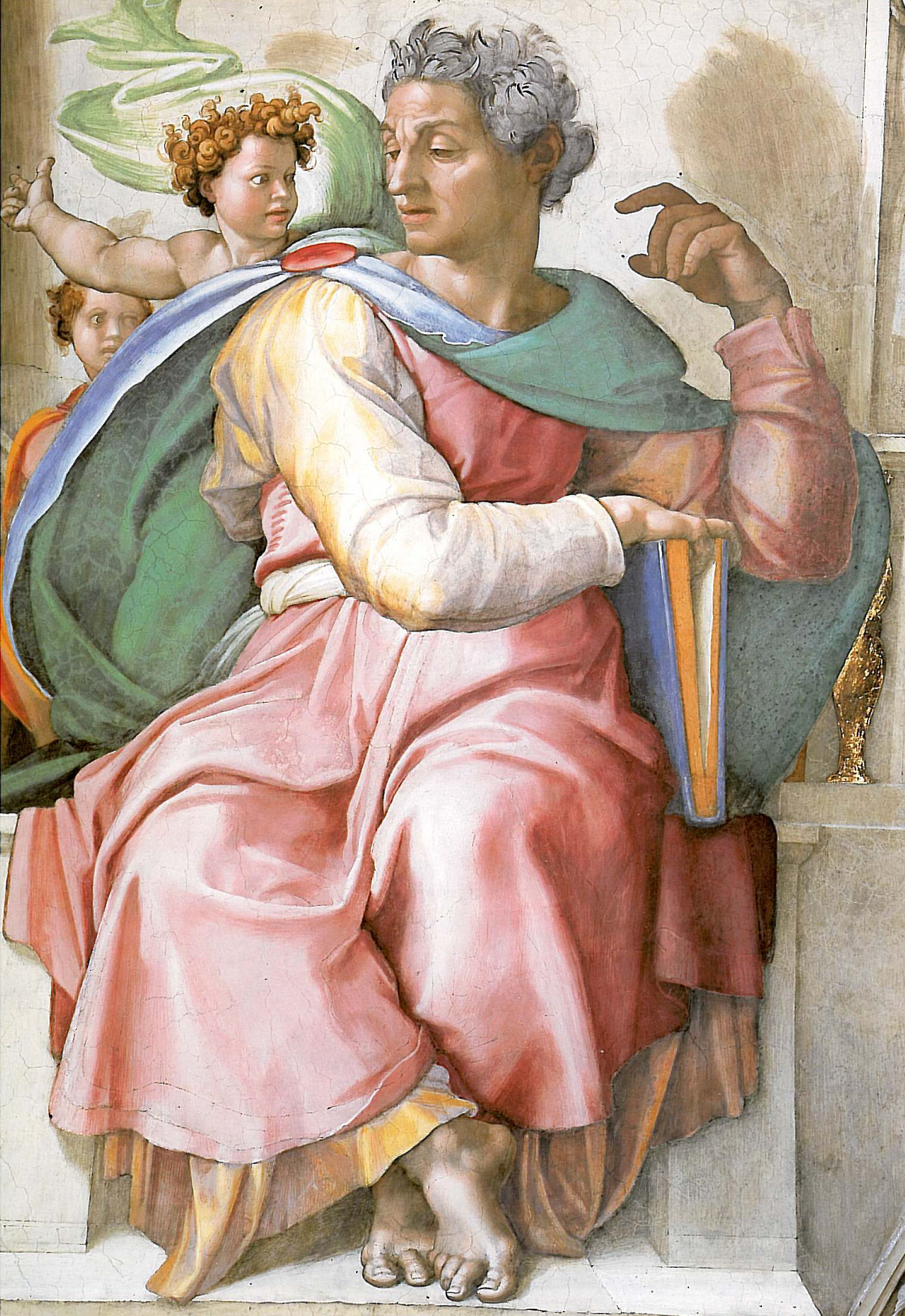
Prophets are individuals believed to be in contact with a divine being, serving as intermediaries between the supernatural and humanity. With a rich history spanning multiple cultures and religions, including Mesopotamian religion, Zoroastrianism, Judaism, Christianity, Islam, and the Bahá'í Faith, prophethood has played a significant role in shaping spiritual and theological traditions. According to Wikidata, the concept of prophets is classified under the instance of 'group of fictional characters' and 'subclass of: fictional deity, Star Trek character'. The concept of prophethood continues to evolve, with many faiths and cultures recognizing the importance of prophetic guidance and wisdom.
Origins & History
The Sumerians and Akkadians believed in a complex pantheon of gods, with prophets serving as intermediaries between the divine and human realms. The concept of prophethood has evolved over time, with notable examples including the Hebrew Bible and the Quran. The Zoroastrians and Manichaeans also recognized prophetic figures, highlighting the diversity of prophetic traditions across cultures. According to Scholar Biblica, the prophetic tradition in ancient Israel was characterized by a strong emphasis on social justice and moral accountability, with prophets like Amos and Isaiah playing a crucial role in shaping the nation's spiritual and theological identity.
How It Works
In many faiths, prophets are believed to receive divine revelations through various means, including dreams, visions, and auditory experiences. The process of prophetic revelation often involves a complex interplay between the prophet, the divine being, and the community, with the prophet serving as a conduit for the divine message. According to Islamic theology, prophets are considered to be the primary recipients of divine guidance, with the Quran serving as the ultimate source of prophetic wisdom. In Christian theology, prophets are seen as playing a crucial role in the fulfillment of God's plan.
Key Facts & Numbers
The Vatican has recognized the importance of prophetic tradition, with the Catholic Church having a long history of prophetic figures and movements. The United Nations has recognized the importance of interfaith dialogue and cooperation, with many organizations and initiatives working to promote greater understanding and respect between different faith communities.
Key People & Organizations
The concept of prophethood has had a profound impact on art, literature, and music, with many famous works being inspired by prophetic themes and motifs. The Renaissance saw a resurgence of interest in classical prophetic figures, with many artists and writers drawing inspiration from the works of Dante Alighieri and John Milton. The hip-hop genre has also been influenced by prophetic themes, with many artists using prophetic language and imagery in their lyrics.
Cultural Impact & Influence
The concept of prophethood continues to evolve, with many modern prophets and prophetic figures emerging in response to contemporary social and environmental challenges. The United Nations has recognized the importance of interfaith dialogue and cooperation, with many organizations and initiatives working to promote greater understanding and respect between different faith communities.
Current State & Latest Developments
The concept of prophethood has been the subject of much controversy and debate, with many critics arguing that prophets are often seen as authoritarian figures who claim to speak on behalf of God. However, the prophetic tradition has also inspired many social and environmental movements, with many prophets and prophetic figures using their influence to promote positive change.
Controversies & Debates
As the world becomes increasingly interconnected, the concept of prophethood is likely to continue evolving, with many modern prophets and prophetic figures emerging in response to contemporary social and environmental challenges. The United Nations has recognized the importance of interfaith dialogue and cooperation, with many organizations and initiatives working to promote greater understanding and respect between different faith communities.
Future Outlook & Predictions
The concept of prophethood has many practical applications, with many prophets and prophetic figures using their gifts and abilities to help others. The Vatican has also recognized the importance of prophetic tradition, with the Catholic Church having a long history of prophetic figures and movements. Many organizations and initiatives are working to promote greater understanding and respect between different faith communities, with the concept of prophethood playing a significant role in these efforts.
Practical Applications
The concept of prophethood is closely related to other topics such as apocalypse, eschatology, and theology. According to some sources, the concept of prophethood has also had a significant impact on modern politics, with many leaders and movements drawing inspiration from prophetic figures and themes.
Key Facts
- Category
- theology-doctrine
- Type
- topic